Crawlspace Mold: Causes, Risks and Removal
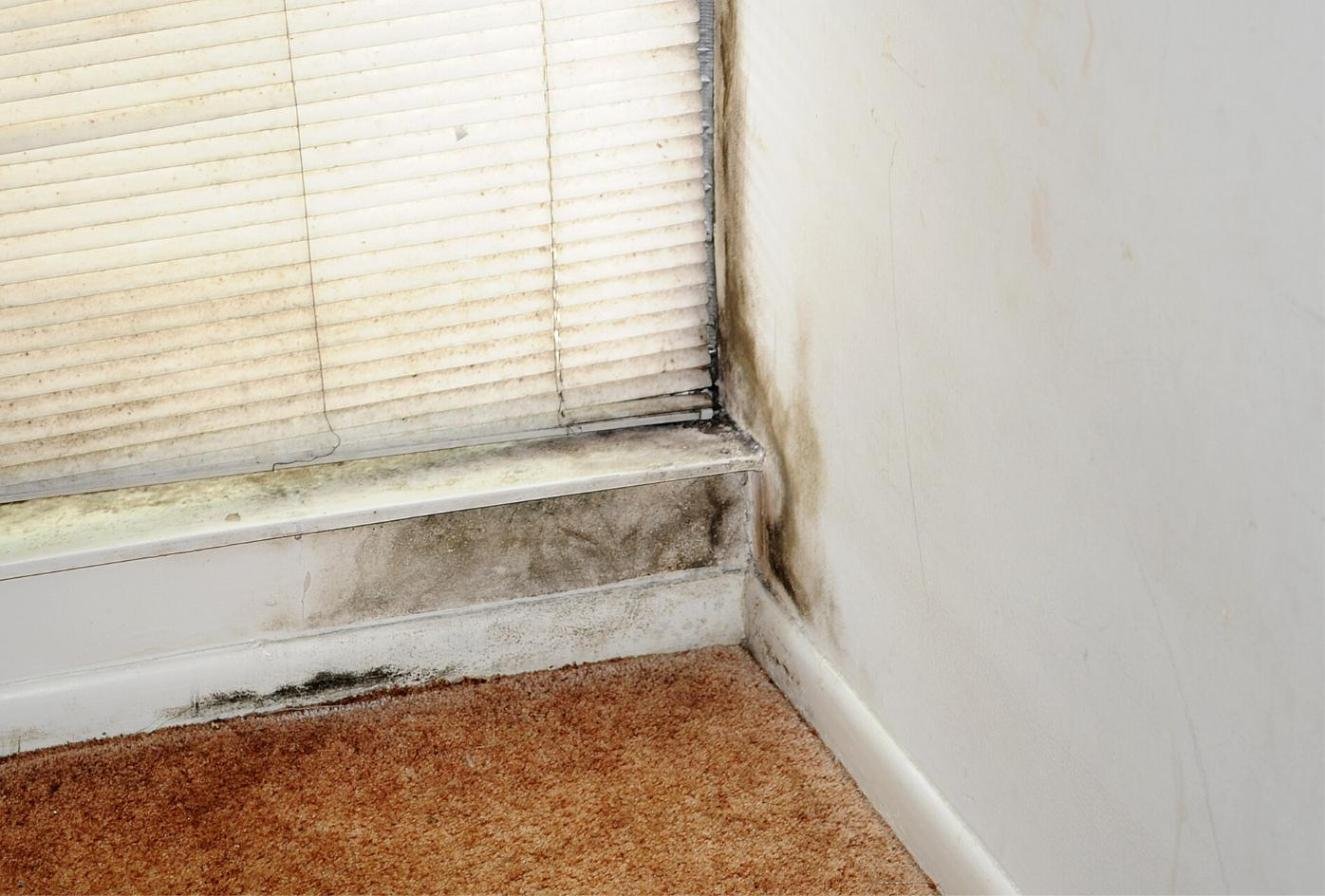
Crawlspace mold removal means taking out wet insulation and debris, cleaning the mold off the floor framing, and drying the wood, all with the space sealed off from the house. The mold comes back unless the moisture is fixed, and in most crawlspaces that moisture rises from bare soil or comes in with humid summer air.
What causes mold in a crawlspace
A crawlspace is a short, dark, unheated space with wood overhead and damp ground below. It rarely gets looked at. Those conditions suit mold well. The common moisture sources are these.
- Bare soil. Exposed earth releases water vapour all day, every day. With no cover on the ground, that vapour ends up in the wood above.
- Summer venting. Foundation vents were meant to air the space out. On a humid July day they let warm, wet air in. It hits the cool framing and ductwork and condenses.
- Poor drainage outside. Downspouts that dump at the foundation and soil that slopes toward the house push water in at the footing.
- Plumbing leaks. Drain lines and supply pipes often run through the crawlspace. A slow drip can go for months unseen.
- A dryer or bath fan that vents into the space instead of outdoors.
- Fallen insulation. Batts that have dropped from between the joists lie on the soil, soak up water and hold it against the wood they touch.
Why crawlspace mold matters to the rest of the house
It is easy to ignore a space you never enter. There are two reasons not to.
First, the air does not stay down there. Warm air rises through a house and leaves at the top, and replacement air gets pulled in at the bottom. Some of that comes up from the crawlspace through gaps around pipes, wires and ducts. Musty smells on the main floor, especially in closets and near floor registers, often trace back to the crawlspace.
Health Canada advises removing indoor mold whatever the type. Mold can irritate the airways and aggravate asthma and allergies, and some people are more sensitive than others. Anyone with symptoms should see a doctor.
Second, the crawlspace holds up the floor. Wood that stays wet long enough for mold will, given more time and moisture, start to rot. Catching it at the mold stage is far cheaper than repairing framing.
Signs to look for
- A musty smell on the main floor that is stronger in humid weather.
- White, grey, green or black growth on joists, beams and the underside of the subfloor.
- Insulation that is hanging, fallen or dark with staining.
- Water beading on ducts and cold water pipes.
- Standing water, damp soil or white salt deposits on the foundation walls.
- Floors above that feel cold and slightly damp, or hardwood that has started to cup.
If you look for yourself, wear an N95 mask, gloves and eye protection, bring a good light, and do not disturb the growth. Take photos of the framing, the ground and the foundation walls.
How crawlspace mold removal is done
The work follows the same principles as any mold job, adapted to a tight space.
- Seal off the house. Openings between the crawlspace and the living area are covered, and the space is put under negative air through HEPA filtration so disturbed spores are captured and exhausted, not drawn upstairs.
- Remove what cannot be cleaned. Wet or moldy insulation, old cardboard, scrap wood and other debris are bagged and taken out.
- Clean the wood. Joists, beams and subfloor are HEPA vacuumed and the growth is physically removed by brushing, sanding or similar abrasion, then vacuumed again. Spraying a chemical over the mold and leaving is not removal.
- Dry the framing. Drying equipment runs until the wood reads under 16% moisture content, with readings logged each day.
- Document it. A clearance report records before and after photos and the final readings.
A fungistatic coating can be applied to the cleaned, dry framing as an added layer of protection. It resists new growth on the wood surface. It does not replace moisture control.
Keeping the crawlspace dry afterward
Removal fixes the mold that is there. These steps stop the next round.
- Cover the soil. A heavy polyethylene ground cover, overlapped and sealed at the seams and run up the walls, blocks most of the vapour from the earth. It is the single biggest improvement in a dirt-floor crawlspace.
- Fix the outside. Extend downspouts, clean eavestroughs and regrade soil so water runs away from the foundation.
- Repair plumbing leaks and vent dryers and fans outdoors.
- Deal with the vents. Many building scientists now recommend closing and sealing crawlspace vents and treating the space as part of the house, with insulated walls and some drying from a dehumidifier or conditioned air. That is a design decision to make with a qualified contractor, since it involves insulation and code requirements.
- Check it yearly. A look with a flashlight and a moisture meter each summer catches problems early.
Costs vary with the size of the space, the headroom and how much insulation has to come out, so a crawlspace is quoted from photos like any other job. Start by opening the hatch on a humid day and taking pictures of the joists, the insulation and the ground. Those three photos show most of what a quote needs.
Common questions
Should crawlspace vents be open or closed in summer?
In humid Ontario summers, open vents usually add moisture. Closing them works best when the soil is covered and the space has some way to dry, so get advice for your house before sealing them for good.
Can I spray crawlspace mold with bleach or vinegar?
Spraying adds water to wood that is already too damp and leaves the growth in place. Mold on framing has to be physically removed and the wood dried.
How long does crawlspace mold removal take?
The cleaning itself is often a day or two of site work. Drying the framing to target can add several days, depending on how wet the wood is at the start.
Send photos, get a firm quote in 2 hours
Three photos from your phone is enough for most jobs. No obligation.