Mold on Concrete Basement Walls: Efflorescence vs Mold
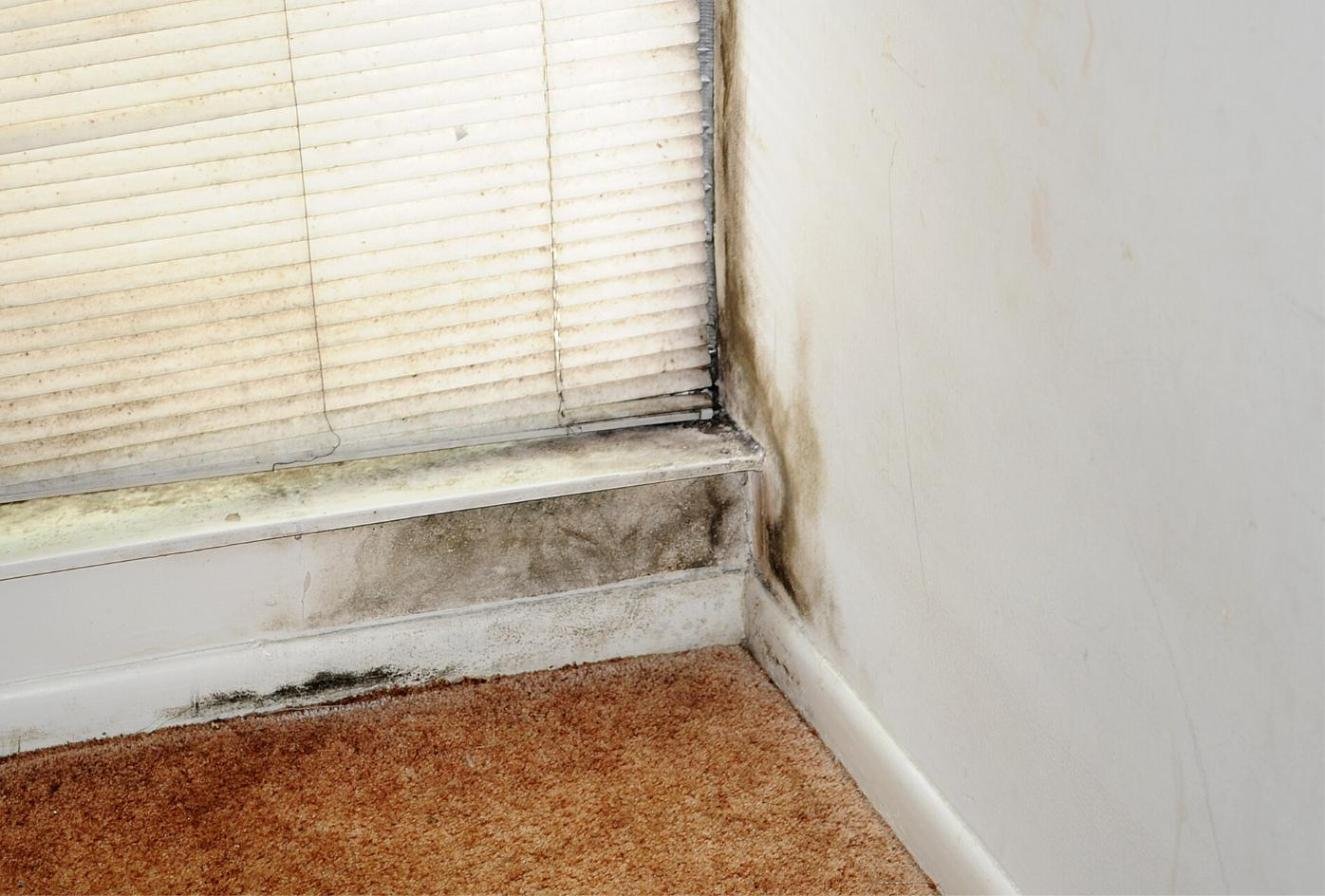
Mold on concrete basement walls is often confused with efflorescence, a white salt deposit left behind when water moves through concrete and evaporates. Efflorescence is crystalline, dissolves in water and has no smell. Mold is fuzzy or slimy, smears when rubbed, does not dissolve and usually smells musty. Both tell you the wall is getting wet.
What efflorescence is
Concrete, block and mortar contain mineral salts. When groundwater passes through a foundation wall it dissolves some of those salts and carries them to the inside face. The water evaporates into the basement and the salts stay behind as a white or greyish crust.
It shows up as powder, as fluffy white crystals that look a lot like fuzz, or as hard streaks running down from a crack or a form-tie hole. It is common around London because many yards sit on clay-heavy soil that holds water against the foundation after rain and spring melt.
Efflorescence is not alive and is not a health concern. It is a sign, though. Salt on the wall means water came through the wall.
Three tests to tell mold from efflorescence
- The water test. Spray the patch with plain water. Efflorescence dissolves and seems to vanish within a minute. Mold mats down and stays put.
- The pinch test. Wearing a glove, rub some between your fingers. Efflorescence is gritty and crushes to a fine powder. Mold smears and feels soft or slimy.
- The smell test. Efflorescence has no odour. Mold smells earthy or musty, mostly when the wall is damp.
Colour helps a little. Black, green, grey-green or brown growth is mold. White can be either one, which is why the water test is worth doing. Location helps too. Salt tends to follow cracks, mortar joints and the line where the wall meets the floor. Mold tends to sit where dust collects and air is still: corners, behind stored items and behind anything leaning against the wall.
Can mold grow on concrete basement walls?
Yes, though it is not eating the concrete. Concrete is mineral and offers mold nothing. What mold feeds on is the thin layer on the surface: household dust, paint, old wallpaper paste, soap residue near the laundry tub, bits of wood left from the forms, and dirt. Add moisture and that film is enough.
Painted concrete grows mold more readily than bare concrete, because the paint itself is food and it traps moisture behind the film. Peeling, blistered paint with dark spotting underneath is a common sight on older foundation walls.
You can have both problems on one wall. Salt forms where water comes through. Mold grows beside it where the surface stays damp and dusty.
Where the water is coming from
A simple test sorts out the source. Tape a square of clear plastic or foil, about 30 cm on a side, tightly to the bare wall and leave it for two or three days.
- Moisture under the plastic means water is moving through the wall from the soil side.
- Moisture on the room side of the plastic means humid basement air is condensing on the cool wall.
Water through the wall is dealt with outside first. Extend downspouts well away from the house, keep eavestroughs clear, slope the soil away from the foundation and fix window wells that fill up. Cracks that leak, and walls that stay wet after those fixes, need a foundation or waterproofing contractor.
Condensation is dealt with inside, by keeping the basement air drier and keeping humid outdoor air out in summer.
How to clean each one
For efflorescence, brush it off dry with a stiff brush and vacuum up the powder. Stubborn deposits loosen with a little white vinegar in water, then a rinse. It will return as long as water keeps coming through, so the brushing is cosmetic.
For a small patch of mold on bare concrete, wear gloves, eye protection and an N95 mask. Scrub with water and unscented dish detergent, rinse, and dry the wall with a fan. Concrete is a hard surface and cleans up well. Bleach is not required. Larger areas, or mold on a wall that will not stay dry, are better handled under containment so the scrubbing does not spread spores through the house.
What not to do
- Do not paint over either one. Waterproofing paint over active moisture blisters and peels, and mold grows behind it.
- Do not frame and insulate over a wall that shows salt or mold. Fix the water first, then watch the wall through a wet season.
- Do not lean cardboard, lumber or furniture against a foundation wall. It traps damp air and gives mold a meal.
Once you know which one you have, mark the edges of the patch with a pencil and write the date beside it. Check it after the next heavy rain. A patch that grows tells you the water problem is active and needs attention before anything else is done to that wall.
Common questions
Is efflorescence a sign of foundation damage?
Not by itself. It shows that water is passing through the concrete, which is common in older foundations. Heavy, recurring deposits along a crack are worth having a foundation contractor look at.
Is white mold on a basement wall dangerous?
White mold is treated the same as any other colour. Health Canada advises removing indoor mold regardless of type, and anyone with health concerns should talk to a doctor.
Will sealing the concrete stop efflorescence and mold?
A sealer can slow moisture coming through sound concrete, but it does not fix cracks or poor drainage. If water pressure outside stays high, the sealer fails or the water finds another path.
Send photos, get a firm quote in 2 hours
Three photos from your phone is enough for most jobs. No obligation.