How Mold Containment Works: Plastic, Negative Air and HEPA
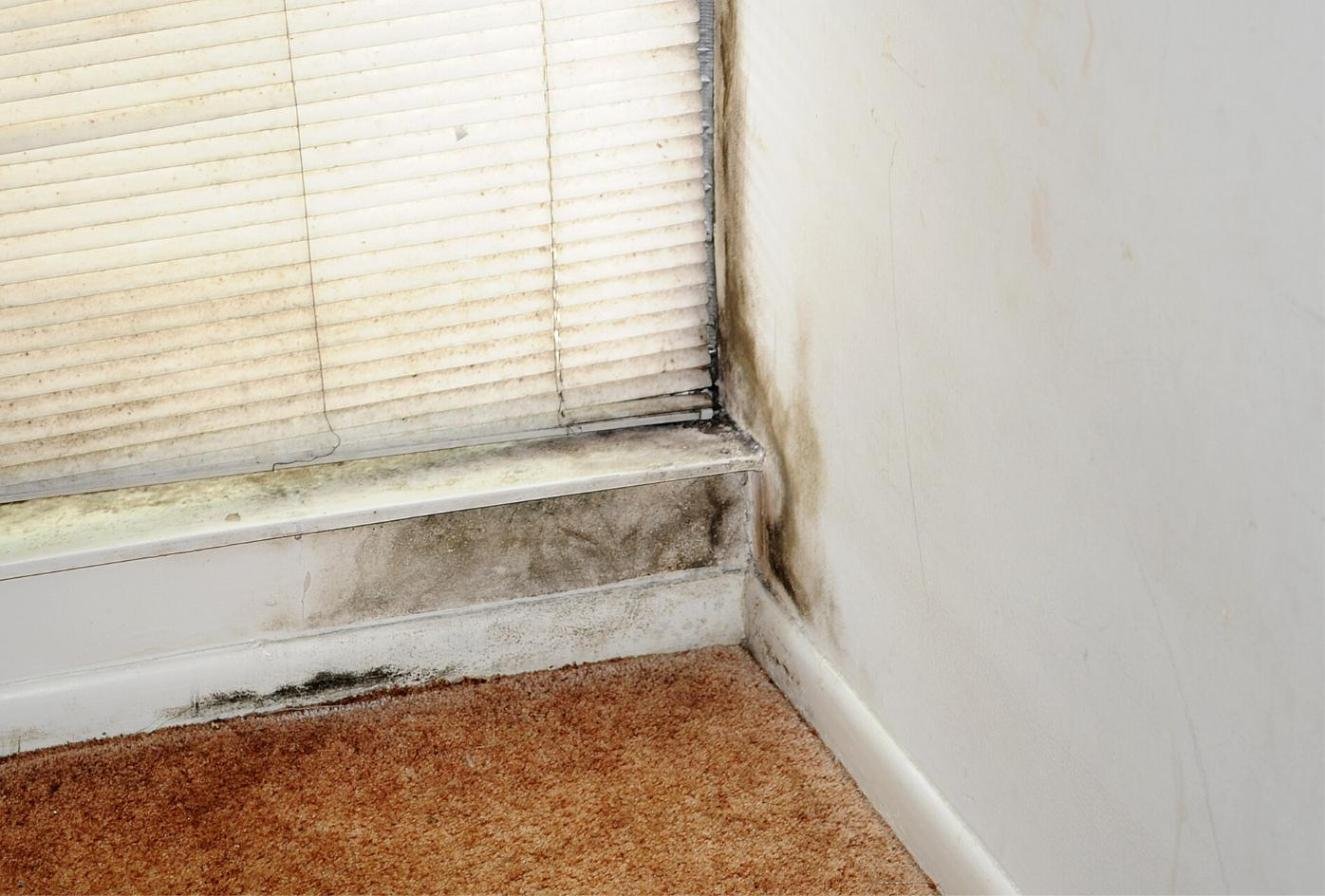
Mold containment with negative air is a sealed plastic enclosure around the work area, with a fan pulling air out of it through a HEPA filter. Because air is always being drawn in through any gap, dust and spores stirred up during removal cannot drift out into the rest of the house. It is standard practice for any mold job beyond a small patch.
Why containment is needed at all
Mold that is left alone releases some spores. Mold that is being cut out, scraped and bagged releases a great many, along with fine fragments of the material it grew on. Without a barrier, that dust rides the normal air currents of the house. It goes up the stairs, into the furnace return and out through every supply vent.
The result of an uncontained job can be a clean basement wall and settled spore dust in rooms that had no problem before. Containment exists to prevent that.
The parts of a mold containment
- Plastic sheeting. Heavy polyethylene, usually 6 mil, forms the walls and sometimes the ceiling and floor of the enclosure. It is held by spring-loaded poles or taped to the structure and sealed at every edge.
- An entry. A zippered doorway or overlapping flaps let workers in and out without leaving an open hole.
- Sealed openings. Supply and return vents, floor drains, pipe chases and gaps in the ceiling inside the work area are covered so nothing travels through ducts or cavities.
- A negative air machine. A fan in a cabinet pulls air through a pre-filter and a HEPA filter and pushes the cleaned air outside through a flexible duct, usually out a basement window.
- A way to check pressure. A pressure gauge, or simply the plastic bowing inward, shows that the enclosure is under suction.
How negative air pressure works
The machine removes air from the enclosure faster than air can leak in. That makes the pressure inside slightly lower than in the rest of the house. Air always flows from higher pressure to lower, so at every seam, zipper and pinhole the flow is inward.
The pressure difference is tiny. You cannot feel it. You can see it, because the plastic walls pull in toward the work area and stay that way. If the plastic hangs slack or puffs outward, the containment is not working.
The machine also changes the air inside many times an hour. Dust made by the work is drawn toward the filter and out, so less of it settles on surfaces that have already been cleaned.
Where the exhaust goes matters. Ducting it outdoors is what creates the suction. A machine that only recirculates filtered air inside the room is called an air scrubber. It cleans the air but does not hold the room under negative pressure by itself.
What HEPA filtration does
HEPA stands for high efficiency particulate air. A true HEPA filter captures at least 99.97% of particles 0.3 microns across, and mold spores are larger than that. Air leaving the machine has had the spores removed, so it can be exhausted outside without spreading them around the yard or a neighbour's window.
The same standard applies to the vacuums. Surfaces are cleaned with HEPA vacuums because an ordinary shop vacuum lets fine particles pass through its filter and blows them back into the air.
When full mold containment with negative air is used
The size of the setup follows the size of the problem. Health Canada treats a few small patches as something a homeowner can clean with basic precautions. Past that, the work should be isolated.
- Small, local areas: a limited enclosure around the spot, with the vents covered and a HEPA vacuum running at the point of work.
- Larger areas, or any job where moldy drywall or insulation is being torn out: full containment under negative air, as described here.
- Whole-basement jobs: the basement itself becomes the containment, sealed at the stairwell door and the ductwork.
This approach follows IICRC S520, the industry reference for mold remediation, and it is how we set up our jobs.
What it is like to live with during the work
Most families stay in the house. A few things change while the containment is up.
- The work area is off limits. Opening the zipper to look in lets air and dust move the wrong way.
- The machine runs all day and all night and sounds like a loud fan. It should not be switched off, since the suction stops when it does.
- Heating or cooling vents inside the enclosure are sealed, so that part of the house gets no conditioned air for a few days.
- A basement window will be open a few inches for the exhaust duct, with the gap sealed around it.
The containment stays up until removal and cleaning are finished and the area has been HEPA vacuumed. The inside of the plastic is cleaned before it is taken down, so the dust on it does not get shaken into the room on the way out.
When you compare quotes, ask each company how the area will be contained, where the machine will exhaust and how they confirm negative pressure. The answers tell you a lot about how the rest of the job will be done.
Common questions
Can I build my own mold containment with plastic and a box fan?
Plastic and tape will slow dust down, but a box fan has no HEPA filter and simply blows spores outdoors or around the room. For anything beyond a small patch, proper equipment makes the difference.
Should the furnace be off during mold removal?
Vents inside the work area are sealed, and it is best to keep the system off while the enclosure is being set up and whenever a return air opening sits inside the contained area.
How long does containment stay up?
It stays for the removal, cleaning and final vacuuming, which on most basement jobs is a few days. It comes down after the area is clean, not at the end of each work day.
Send photos, get a firm quote in 2 hours
Three photos from your phone is enough for most jobs. No obligation.