Mold on Floor Joists: When It's a Structural Problem
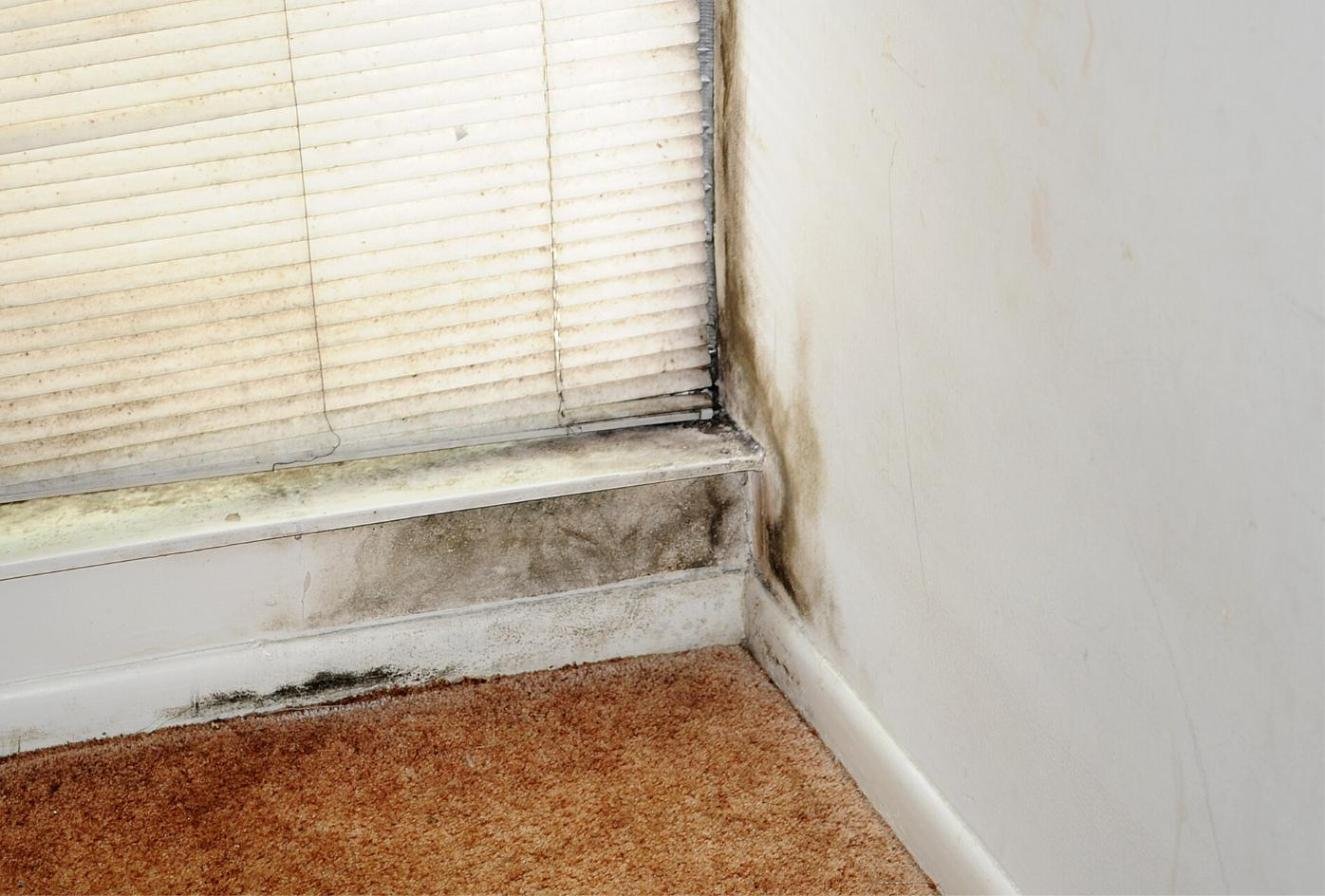
Mold on floor joists is usually a surface problem. Mold feeds on the sugars and dust at the surface of the wood and does not weaken the joist. It becomes a structural problem when the wood has stayed wet long enough for rot to set in, and you can tell the difference by pressing a screwdriver into the wood. Sound wood resists. Rotted wood lets the tip sink in.
Mold and rot are different things
People use the words as if they were the same. They are caused by different fungi and they do different damage.
Surface mold lives on the outside of the wood. It shows as fuzzy or powdery spotting in white, grey, green or black. It stains, it smells and it releases spores into the air, which is reason enough to remove it. The wood underneath stays as strong as it was.
Rot is caused by decay fungi that digest the wood fibres themselves. These fungi need wetter wood for a longer time than mold does. Rotted wood loses strength, and it does not get that strength back when it dries.
The link between the two is moisture. Mold is the early warning. If joists stay damp enough for mold year after year, rot is the likely next stage.
Why mold grows on floor joists
From the basement you are looking at the underside of your main floor. Joists get damp for a few common reasons.
- High basement humidity in summer. Bare wood absorbs moisture from the air, and a light, even dusting of mold across many joists usually points to this.
- A leak from above. Toilets, tubs, showers, dishwashers and kitchen sinks sit right over the joists. Growth in one or two joist bays under a bathroom is nearly always plumbing.
- Leaks at the outside wall. Water getting in at a door sill, a hose bib or the siding wets the joist ends and the rim board.
- Condensation. Uninsulated cold water pipes and ducts drip onto the wood below them in humid weather.
- Lumber that was wet when the house was built. Some staining on new-home framing dates from construction and has been dry and inactive since.
How to tell if mold on floor joists is structural
You can do a first check yourself with a flashlight and a flat screwdriver. Wear an N95 mask, gloves and eye protection.
- Press the screwdriver tip firmly into the joist in the stained area, then into clean wood nearby for comparison. If it sinks in easily or the wood feels spongy, that is decay.
- Pry up a small sliver. Sound wood splinters in long strands. Rotted wood breaks off short and crumbly.
- Look at the surface. Wood that is darkened and cracked into small cubes, or that looks bleached and stringy, is rotted. A flat stain on hard wood is not.
- Check the ends. Follow each joist to where it rests on the foundation wall or the beam. Ends trap water and rot first.
- Check the subfloor between the joists, especially under toilets and tubs. Plywood that is black, soft or coming apart in layers has been wet for a long time.
- Go upstairs and walk the floor over the area. Sagging, bounce, a soft spot or a toilet that rocks all point to lost strength below.
A moisture meter adds a number to what you see. Framing in a dry house reads well under 16% moisture content. Readings that stay well above that mean the wood is still being fed water, whatever it looks like.
When to call a structural engineer or carpenter
Get the structure looked at when the screwdriver sinks in, when a joist end or the beam is soft, when a joist is cracked or has been notched heavily near the damage, or when the floor above has moved. A structural engineer can say what needs reinforcing or replacing, and a carpenter or contractor does that repair. A common fix is fastening a new joist alongside the damaged one, known as sistering. Replacing a section of subfloor is another.
We do not do structural repair or rebuilding. Our part is finding the moisture, removing the mold and drying the framing, and we point out any wood that fails the probe test so you can get it assessed. Repairs go better on clean, dry wood, so the mold work normally comes first unless the floor is unsafe.
How mold is removed from sound joists
Solid framing does not need to be replaced because it has mold on it. The area is contained and kept under negative air through HEPA filtration. The joists are HEPA vacuumed, the growth is taken off the surface by brushing or sanding, and the dust is vacuumed again. Then the wood is dried until it reads under 16% moisture content. Some dark staining can remain in the grain after cleaning. That is discolouration, not live growth.
A fungistatic coating can go on the cleaned framing to resist future growth. The source still has to be fixed, whether that is a wax ring under a toilet or summer humidity.
Start with the screwdriver test and a few photos of the worst joists, including the ends and the subfloor above. If everything is hard, you have a cleaning and moisture job. If anything is soft, mark it with tape so whoever inspects it can find it quickly.
Common questions
Is black staining on joists in a new house a problem?
Often it is old staining from lumber that got rained on during construction. If the wood is hard and reads dry, it is cosmetic, though it is worth cleaning before the ceiling is closed in.
Can I sand mold off floor joists myself?
Sanding without containment and HEPA filtration puts a large amount of spore-laden dust into the house air. A few small spots can be damp-wiped; larger areas should be done under containment.
Will a home inspector flag mold on joists?
Usually, yes. Inspectors note visible growth and staining on framing and recommend further evaluation, which can hold up a sale until it is dealt with and documented.
Send photos, get a firm quote in 2 hours
Three photos from your phone is enough for most jobs. No obligation.